
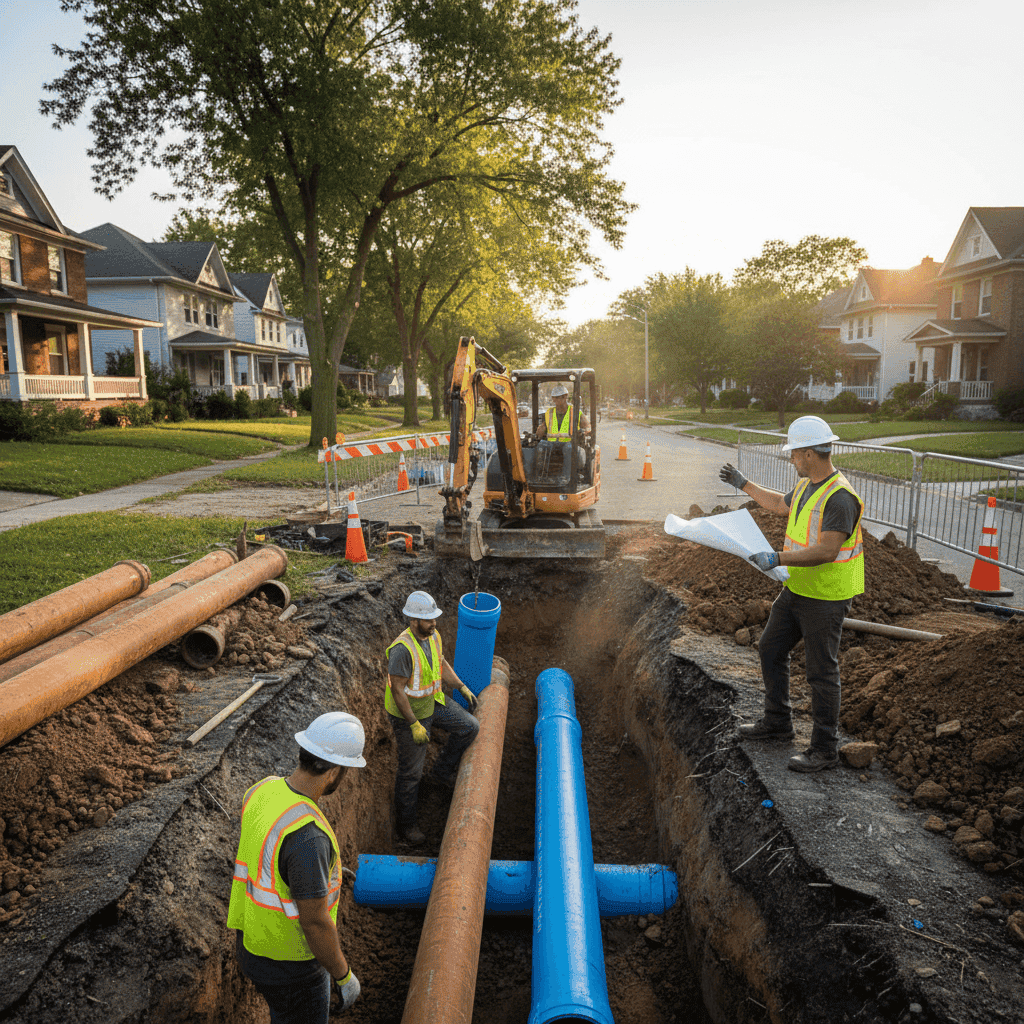
Replacing an aging sewer line is one of those home projects that homeowners hope to put off. When it becomes unavoidable it quickly moves to the top of the priority list. This article walks you through why the work matters how to spot trouble and what to expect during inspection and repair so you can make clear choices instead of reacting to surprises.
Whether your property has clay pipe installed decades ago or a cast iron line that has reached the end of its service life understanding risks options costs and contractor selection helps you protect your property value and limit damage. Read on for practical tips examples and checklists that will help you plan a confident replacement process.
Why replacing an aging sewer line matters
A failing sewer line can cause repeated backups slow drains foul odors wet spots in yards and structural damage. Left untreated problems often worsen which increases repair costs and can make landscaping repairs more extensive. Replacing a bad line reduces the chance of recurring blockages and eliminates ongoing maintenance such as frequent snaking and repeated chemical treatments.
A sewer line replacement also matters for health and resale value. Wastewater leaks can contaminate soil and groundwater and cause costly remediation. From a resale perspective buyers will ask about the condition of sewer infrastructure and may require repair before a sale closes. Fixing the problem in a planned way often costs less than emergency work after a major failure.
Common signs your sewer line is failing
Recognizing early signs can save money and time. Look for these clues that indicate a sewer pipe may need replacement.
- Persistent drain backups in multiple fixtures rather than a single sink
- Sewage odors in the yard or near the foundation
- Unusually lush patches of grass above the underground line caused by nutrient rich leaks
- Sinkholes depressions or wet spots in the yard with no clear surface source
- Slow draining toilets or gurgling sounds from drains when other fixtures are used
One practical tip is to keep a log of incidents. Note dates of backups or slow drains so a pattern becomes obvious. Contractors use that pattern to identify whether an isolated clog or a failing line is the cause.
What causes sewer lines to fail
Several factors accelerate deterioration. Older materials such as clay or cast iron corrode or shift with time. Tree roots are a frequent culprit because they seek moisture and enter tiny cracks. Ground movement from heavy loads or settling can break joints. Non biodegradable items flushed down toilets cause blockages that put pressure on cracked pipes and may lead to collapse.
Another factor is small leaks that go unnoticed. A slow leak wastes resources and can wash away supporting soil which leads to sagging sections known as bellies. A pipe belly traps solids and creates a chronic blockage point. Regular inspections catch these issues earlier than waiting for a full collapse.
Inspection methods to assess a damaged sewer line
Before any replacement decision a professional inspection determines the scope of work. Here are common diagnostic methods technicians use and what each reveals.
Video camera inspection
A camera system runs through the pipe and records the interior condition. The camera reveals cracks misaligned joints roots and blockages. It helps estimate how much of the line is affected and whether a repair or replacement is the right approach. Ask for the recording so you have a visual record to review with contractors.
Smoke and pressure tests
Smoke tests use non toxic smoke to show where lines have open breaks that reach the surface. Pressure or hydrostatic testing can detect leaks by monitoring how quickly a section loses pressure. These tests are useful for identifying multiple problem areas rather than a single point failure.
Replacement options and how they compare
Once the inspection delivers a clear diagnosis you will choose a repair technique. Options range from targeted repairs to replacing the entire line. A partial fix can work when damage is limited. When the line is old or damage is widespread a full replacement is usually the best long term approach.
Trenchless methods such as pipe relining or pipe bursting offer ways to fix or replace a pipe with minimal surface disturbance. Relining inserts a resin lined sleeve that cures inside the existing pipe creating a new inner surface. Pipe bursting breaks the old pipe and pulls a new one into place. These methods reduce landscaping impact but are not suitable for every situation especially when many lateral connections need rearrangement.
When stakeholders choose a complete removal of the old line and installation of new pipe traditional open trench work may be necessary. That option gives the installer full access so misalignments roots and collapsed sections can be corrected. For extensive damage and older pipe systems a full sewer line replacement sometimes results in lower long term costs because it removes the failing material entirely.
For an example of full replacement scope and local service options see this resource full sewer line replacement which explains what to expect when the chosen route is a total replacement from cleanout to connection.
Cost factors and budgeting for a sewer line replacement
Cost varies widely depending on pipe length material type depth ground conditions and access. Key cost drivers to review with quotes include the following.
- Pipe material such as PVC or high density polyethylene
- Depth of the existing pipe and presence of other utilities
- Type of replacement method trenchless or open trench
- Extent of landscaping repairs road or driveway cuts and restoration
- Local permit fees and inspection costs
As a rule of thumb shorter sections under a driveway or close to the house can require higher daily labor rates due to traffic control and traffic pattern work. Long runs across a yard may be less costly per foot yet require more restoration work following an open trench. Ask for itemized bids that separate material labor and restoration so you can compare apples to apples.
Choosing a contractor and preparing your property
Selecting the right contractor matters. Request written estimates with scope timeline permit handling and warranty terms. Verify licensing insurance and local references. A few specific questions to ask include whether they will obtain permits who will handle locating buried utilities and how they protect existing landscaping.
Prepare your property by moving vehicles and clearing access points. If the plan is trenchless work you will still need to set aside staging space for equipment. For open trench work number and location of trees and sprinkler heads matter. Take photos of landscaping to document pre job condition and review restoration expectations with the contractor.
On the day work begins set aside time to walk the site with the crew lead so you both agree on the work plan and where temporary fencing or safety barriers will go. Plan for noisy activity and heavy equipment. Small impacts like sudden driveway closures or restricted yard access are common but manageable with advance notice.
Maintenance and long term tips after a replacement
After the line is replaced the right habits reduce the chance of repeat problems. Do not flush items labeled non flushable even if they seem to dissolve. Keep tree roots from invading by planting water loving trees away from sewer easements. Regular camera inspections every few years are a cost effective way to catch small problems before they spread.
Also keep a record of materials used pipe layout and the contractor contact for warranty issues. If you have a cleanout installed put a weatherproof cap on it and check it during seasonal maintenance. These simple steps extend the useful life of the new system and reduce emergency calls.
Replacing an aging sewer line is a major but manageable home improvement. With clear inspection data a comparison of repair techniques a written estimate and a plan for restoration you can minimize surprises. The right preparations and an informed contractor selection process make the project go more smoothly.
When you see persistent backups or notice yard soft spots set up an inspection sooner rather than later. Timely action reduces the chance of structural damage and larger restoration bills. If you need guidance on method selection scheduling or understanding bid details take photos of problem areas gather a timeline of incidents and contact a licensed plumber to schedule a camera inspection. A solid plan will protect your property and limit disruption to daily life. Call or message a trusted service provider for an inspection and a clear estimate to begin planning your replacement work.
 Acid Reflux Causes – Find Out Today
  Kratom for depression and anxiety
  Understanding Autism
  Living a Healthy Lifestyle
  Digital Schools For Photography
  Collapsible Dog Crates