

Hemp, a handy plant from the Hemp sativa family, is making waves everywhere because it fits into so many industries, especially health and wellness. Products with cannabidiol (CBD) have become super popular for easing stress and managing pain. The market is booming, but the rules around growing hemp and selling its stuff have shifted a lot over time, creating a tricky legal maze. Learning how laws shaped hemp production and CBD use uncovers surprising history and deals with tricky challenges this fast-growing business faces. Anyone curious about health trends or the future of natural remedies will find this dive into hemp laws worth their while. Keep reading to discover what’s really behind hemp’s rise and why understanding its rules matters.
The Farm Bill of 2018: A Game-Changer
A pivotal moment for the hemp industry was the passage of the Agriculture Improvement Act of 2018, commonly known as the Farm Bill. This legislation marked a significant shift in the legal status of hemp, differentiating it from hemp by defining hemp as hemp with a THC (tetrahydrocannabinol) content of 0.3% or lower on a dry weight basis. This distinction was crucial as THC is the psychoactive compound responsible for the “high” associated with hemp use.
The Farm Bill effectively removed hemp from the list of controlled substances, paving the way for its legal cultivation, transportation, and sale. Farmers and entrepreneurs across the United States saw new opportunities for hemp production and the extraction of CBD, a non-psychoactive compound touted for its potential therapeutic effects.
State vs. Federal Regulations
While the Farm Bill provided a federal framework for hemp and CBD, it allowed individual states to impose additional regulations. This has led to a patchwork of state-specific laws and regulations, creating challenges for businesses operating across state lines. Some states have embraced hemp production and CBD products, while others have imposed stricter restrictions, making it imperative for industry players to stay up-to-date with the regulatory environment in each jurisdiction.
The FDA’s Role in CBD Regulation
The Food and Drug Administration (FDA) plays a pivotal role in regulating CBD products, particularly those intended for human consumption. As of my knowledge cutoff in September 2021, the FDA has approved one CBD-derived medication for treating rare forms of epilepsy. However, the agency has not yet established a comprehensive regulatory framework for other CBD products like dietary supplements and food additives.
This regulatory gap has led to a proliferation of CBD products in the market, with varying degrees of quality and consistency. The lack of clear guidelines has also created challenges for consumers trying to make informed choices about the products they use. Industry stakeholders and advocacy groups have called for clearer regulations to ensure product safety, accurate labeling, and consistent quality.
Challenges and Future Outlook
The legal landscape surrounding hemp and CBD remains dynamic, with several challenges yet to be fully addressed. One major concern is the lack of standardized testing methods to accurately determine THC levels in hemp-derived products. Discrepancies in testing results can lead to products being incorrectly classified as illegal due to elevated THC levels.

Another challenge lies in banking and financial services for hemp businesses. Despite the federal legalization of hemp, many financial institutions remain cautious about providing services to the industry due to concerns about conflicting state laws and federal regulations. For more insights and further information about hemp, you can visit Mental Itch to learn more.
Looking ahead, the industry’s future will likely be shaped by further federal and state regulations, scientific research into the potential benefits of CBD, and the growth of consumer demand. As regulatory clarity improves and more research emerges, the market could experience consolidation, with compliant and reputable companies rising to the top while those that do not adhere to regulations could face challenges.
Conclusion
The legal landscape of hemp production and CBD regulation is a fascinating and ever-evolving domain. The passage of the 2018 Farm Bill marked a turning point, shifting the perception of hemp from a controlled substance to a versatile agricultural commodity. However, the journey from that point has been far from straightforward, with a complex interplay of federal and state regulations, scientific advancements, and industry developments shaping the path forward. As consumers, producers, and regulators continue to navigate this landscape, collaboration and education will remain crucial in fostering a responsible and thriving hemp and CBD industry.
 Acid Reflux Causes – Find Out Today
 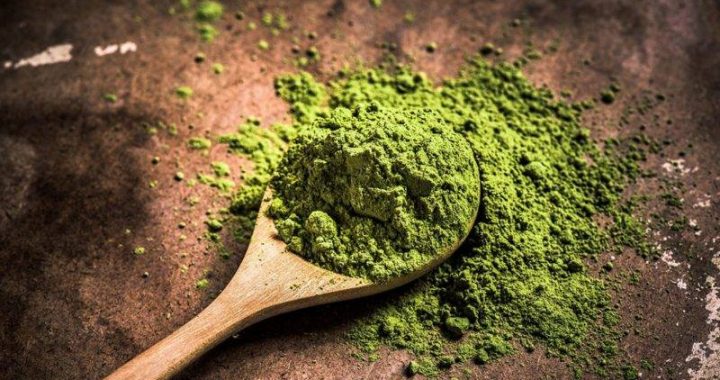 Kratom for depression and anxiety
  Understanding Autism
  Living a Healthy Lifestyle
  Digital Schools For Photography
  Collapsible Dog Crates